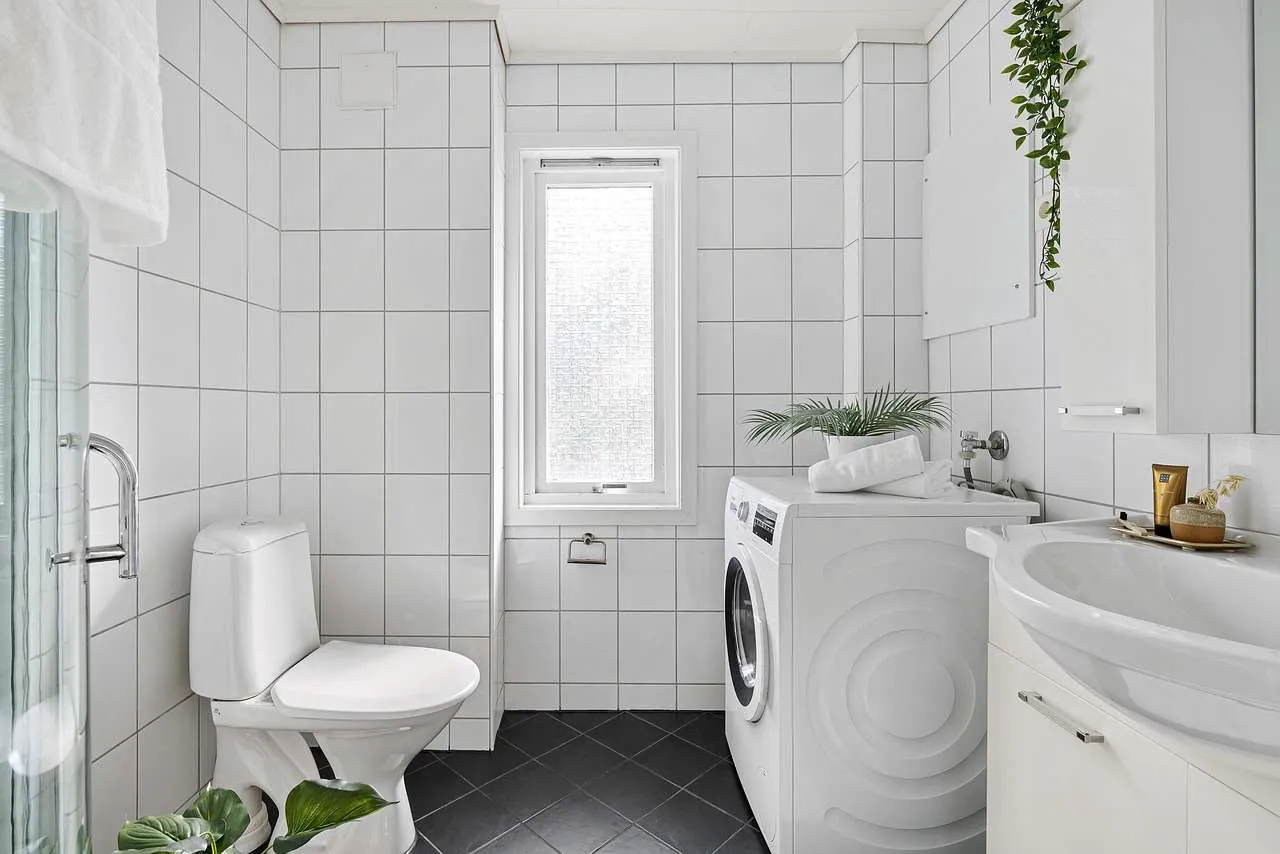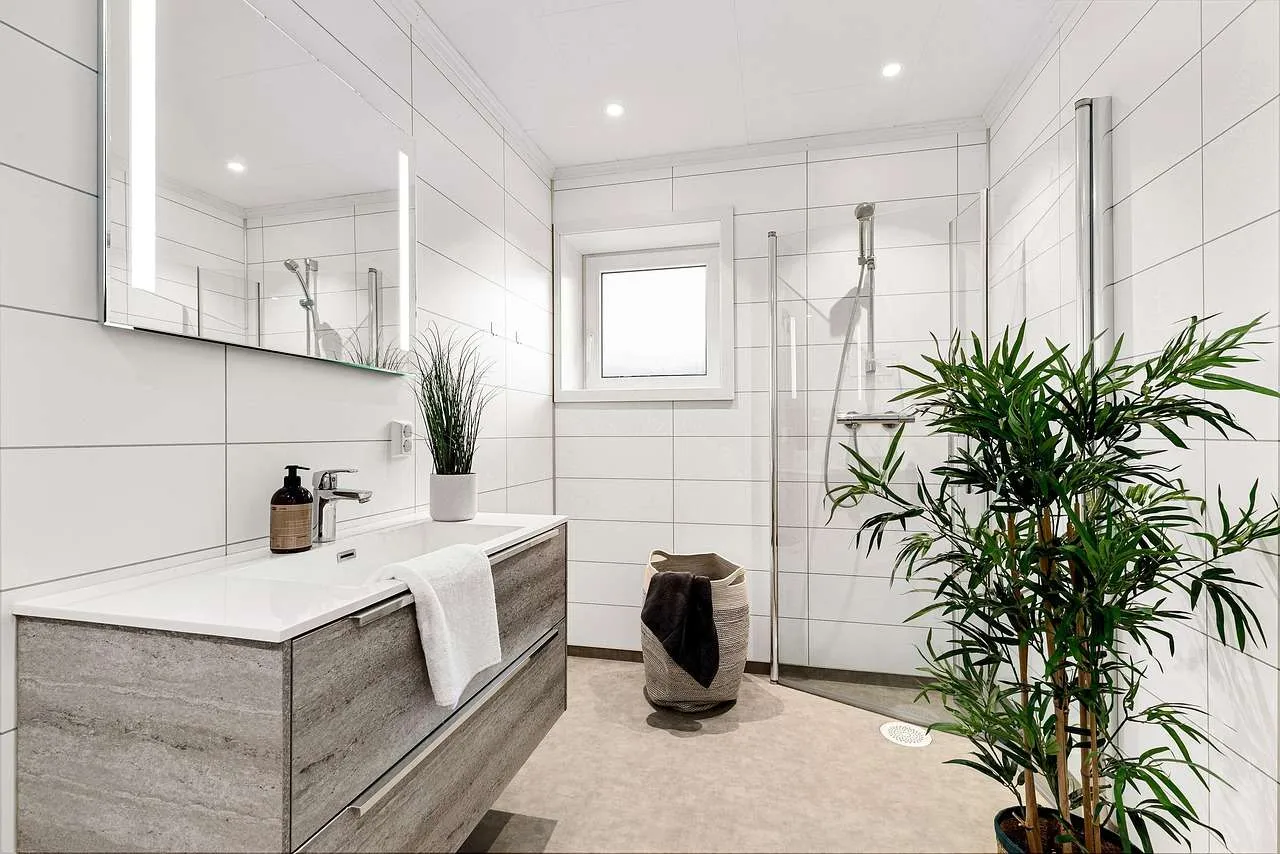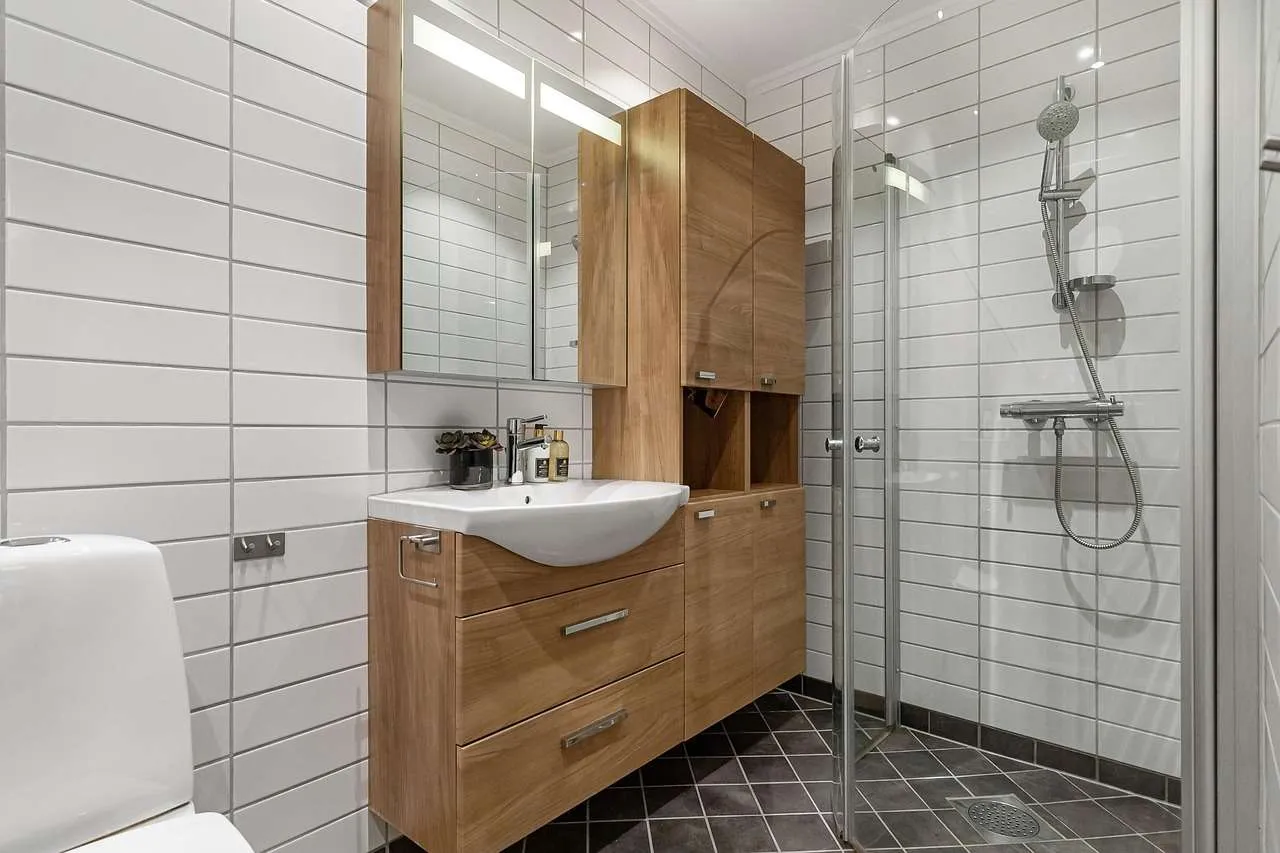
Choosing bathroom tile sets the tone for durability, water resistance, and style in any bathroom. This guide provides expert insights into materials, layouts, installation basics, and maintenance to help homeowners make informed decisions.
Understanding bathroom tile options
Bathroom tile comes in several materials, each with pros and cons for moisture rich spaces. The most common are porcelain and ceramic, followed by natural stone and glass accents. Porcelain and ceramic are both ceramic based but have different formulas and performance. Porcelain is denser and more water resistant, making it ideal for wet zones. Ceramic is versatile and typically more affordable, suitable for light to moderate moisture areas.
Porcelain vs ceramic
Porcelain tile is manufactured to be hard wearing, with low porosity. It resists staining and can be used on floors and walls. Ceramic tile is easier to cut and available in more patterns and colors, but it requires sealing less, depending on glaze. For showers and tub surrounds, porcelain or glazed ceramic with a proper waterproofing system is recommended.
Other options
Glass tiles create reflective surfaces and are often used as accents. Natural stone such as marble or travertine brings warmth but requires more maintenance and sealing. Large format tiles minimize grout lines and can make small bathrooms feel bigger. Mosaic sheets are great for shower niches and trims. For DIY friendly projects, consider glazed ceramic or porcelain that is rated for floors and wet areas.
How to choose bathroom tile
Key factors include slip resistance, water absorption, maintenance, and cost. Start with the room layout and traffic patterns. For floors in wet areas, choose higher slip resistance (look for a PEI rating and a grade for slip resistance). For walls, aesthetics and ease of cleaning are primary.
- Slip resistance: Look for a floor tile with a high slip resistance rating for wet areas.
- Water absorption: Porcelain has low water absorption; natural stone requires sealing for moisture protection.
- Maintenance: Glazed tiles are easier to clean; unglazed stones need more care and sealing.
- Color and pattern: Lighter colors can show soap scum; large format reduces grout lines.
Installation basics
Substrate prep and waterproofing are critical. Ensure a stable, clean substrate, then install a waterproofing membrane behind tiles in showers and tub surrounds. Use a quality thinset mortar appropriate for the tile type and substrate. Grout choice affects both look and maintenance; epoxy grout resists stains but is harder to install whereas cementitious grout is common and easier to work with. Leave expansion joints where walls meet floors or around plumbing to prevent cracks.
| Tile Type | Durability | Water Absorption | Maintenance | Typical Cost |
|---|---|---|---|---|
| Porcelain | Very high | Low | Low to moderate | Moderate |
| Ceramic | Moderate | Moderate | Moderate | Budget to moderate |
| Natural Stone | Varies | High to very high | High (sealing) | Higher |
Design ideas and patterns
Color palettes can set mood: cool grays and blues for a spa feel, or warm creams and taupes for cozy spaces. Patterns such as herringbone, chevron, or checkerboard add visual interest. Large format tiles reduce grout lines and create a seamless look, while mosaic trims provide accents in shower niches or borders. Use contrasting grout to emphasize tile shapes or keep grout tone close to tile for a seamless finish. Consider safety by selecting non slip floor tiles or adding a textured insert in showers.
Maintenance and care
Keep bathroom tile looking fresh with regular cleaning using a non abrasive cleaner. Seal natural stone every 1 to 2 years, and regrout when grout lines begin to crumble or discolor. Annual inspection after heavy use can catch cracks or moisture penetration early. For high moisture zones, ensure the silicone joints around edges are intact and replace as needed.
Cost and choosing a contractor vs DIY
Labor costs vary by region and tile complexity. A straightforward bathroom tile project may be DIY friendly, especially with porcelain or ceramic. Larger or complex layouts, epoxy grout, or radiant heating benefit from professional installation. Obtain multiple bids, verify licenses, and review before and after photos. Ask about waterproofing details and warranty coverage to support long term EEAT principles.
Conclusion
Conclusion, selecting the right bathroom tile involves durability, water resistance, installation quality, and maintenance. Porcelain and ceramic cover most needs, natural stone offers warmth with sealing, and proper waterproofing and professional installation prevent leaks. By planning zones, choosing appropriate materials, and maintaining regularly, you get a durable, stylish bathroom that lasts.