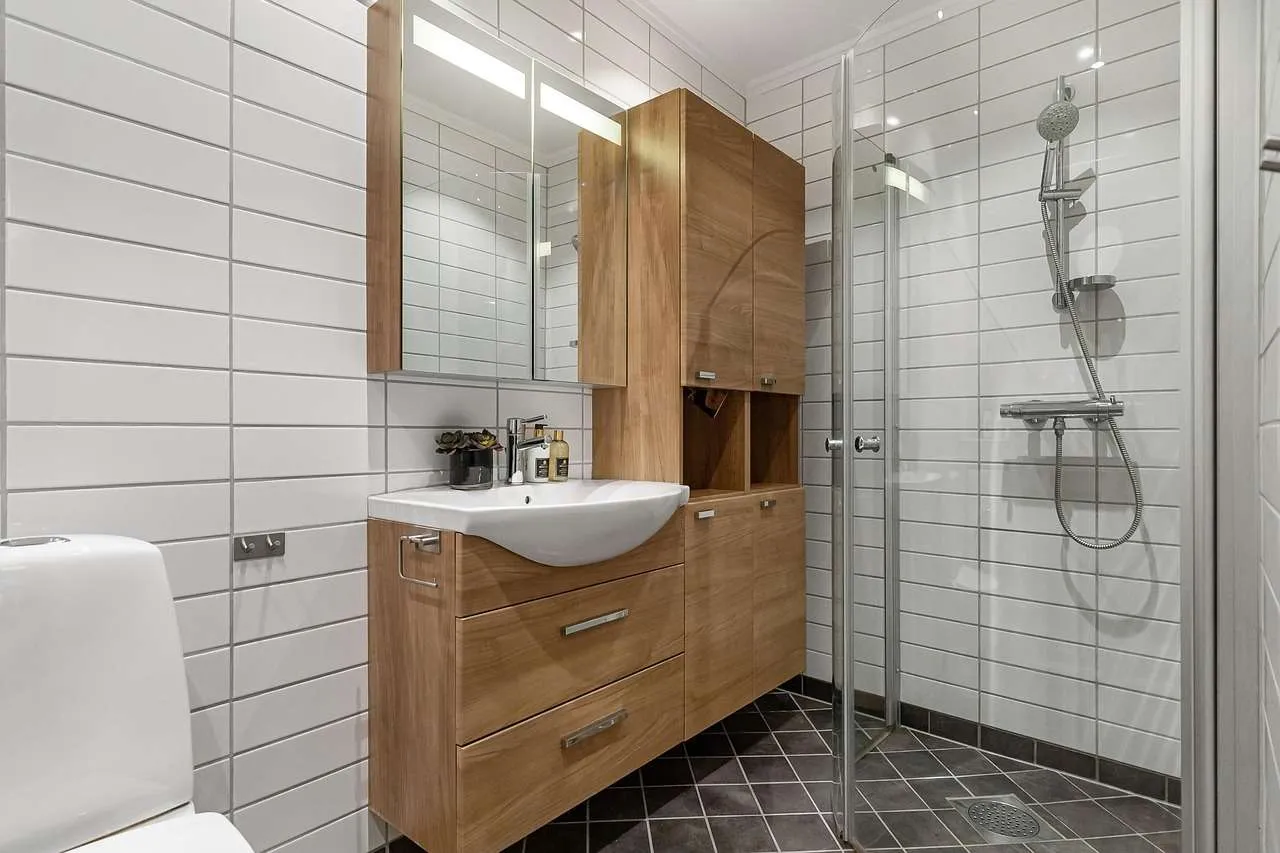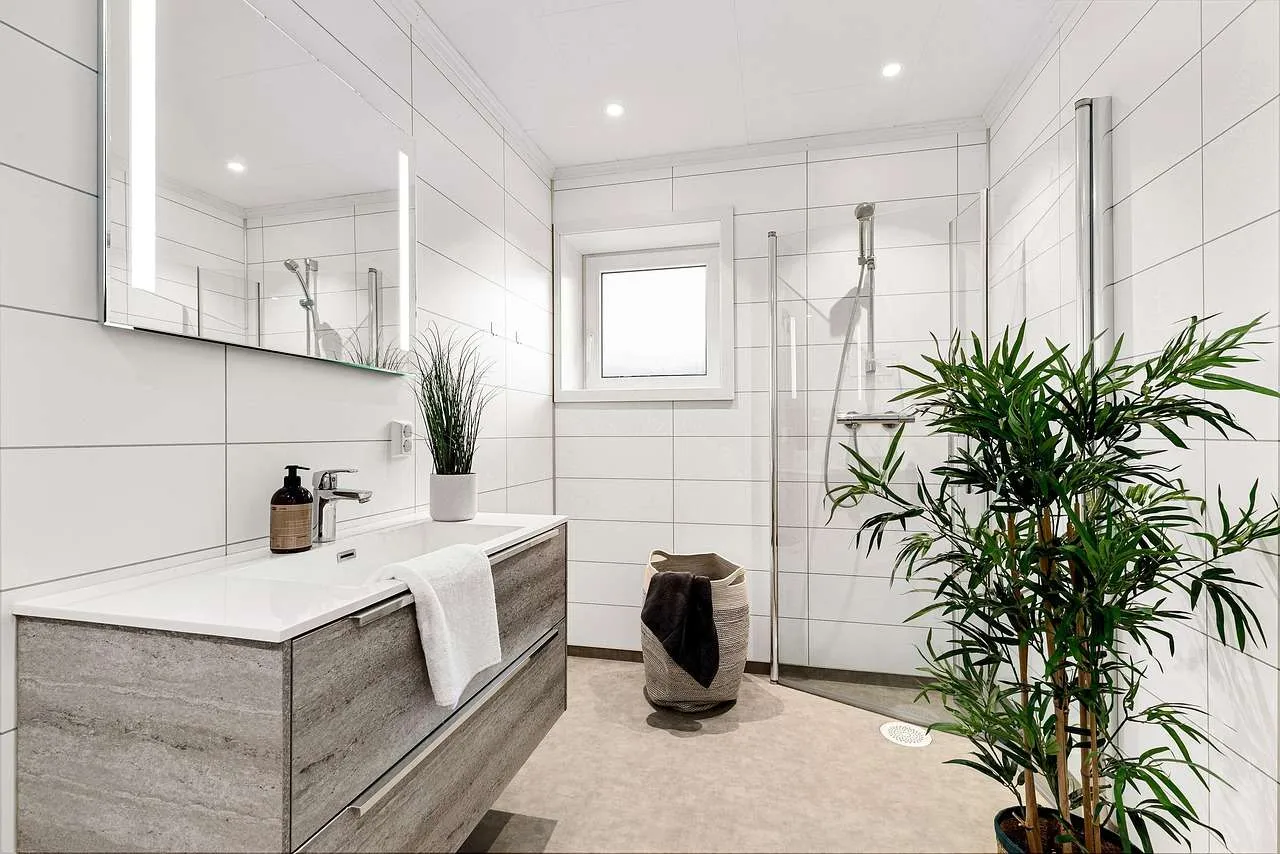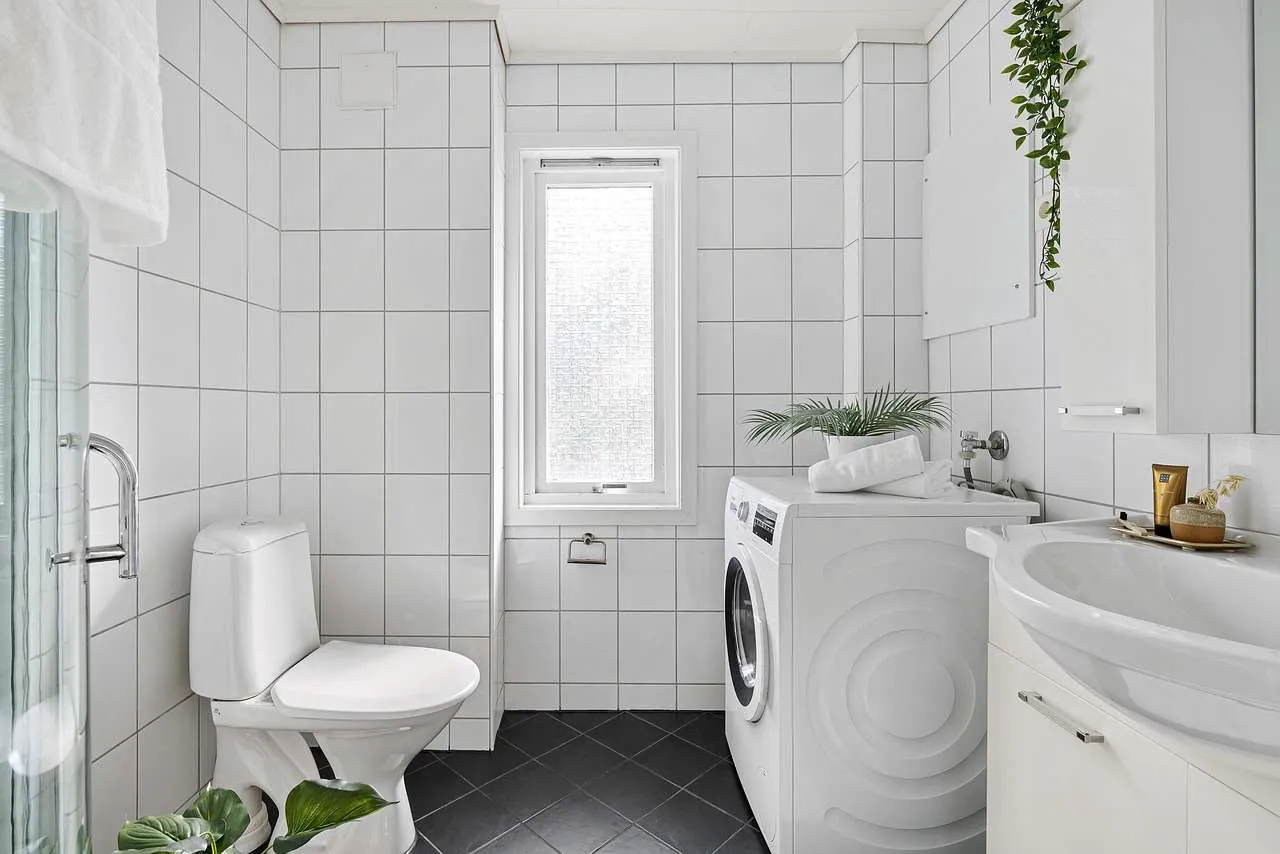
Updating a bathroom with tiles is a reliable way to achieve durability, water resistance, and a polished look. This guide explains bathroom tiles from types to maintenance, helping you make confident choices that fit your space and budget while keeping reliability and style in mind.
Understanding Tile Types
Tile choice starts with the fundamental material. Each type has distinct advantages for bathrooms, depending on surface and traffic.
Ceramic Tiles
Ceramic tiles are widely available and affordable. They work well on walls and can be used on floors in low to moderate traffic zones. They are easy to cut and install, wipe clean, and come in a vast range of colors and patterns. Expect moderate water resistance and a softer feel underfoot.
Porcelain Tiles
Porcelain tiles are a dense, low porosity option that performs very well in wet areas. They are suitable for floors and walls and resist staining and moisture better than standard ceramic. They cost more but offer long term value and a more uniform surface.
Natural Stone Tiles
Natural stone such as marble, travertine, or slate brings timeless beauty and unique veining. Stone requires proper sealing and more maintenance to prevent staining and water marks. It is best used in showers and as feature surfaces or walls rather than heavy foot traffic floors without a professional sealant plan.
Glass and Mosaic Tiles
Glass tiles add shine and light reflection, making small bathrooms appear brighter. They are great for backsplashes and walls but less suited for heavy foot traffic floors due to slipperiness unless treated with slip resistant options.
Other Options
Mosaic sheets and metal tiles offer decorative accents. Mixed materials can create depth in a bathroom, but balance is key to avoid an overly busy look.
Choosing by Surface: Walls, Floors and Wet Areas
Wall tiles handle moisture well and can be lighter in weight and thickness. Floor tiles require higher durability and slip resistance ratings. In wet zones such as shower stalls, floors benefit from textured surfaces and slip resistant finishes to minimize falls.
Wall Tiles vs Floor Tiles
For walls, you can opt for thinner tiles with brighter finishes. For floors, look for higher PEI ratings or similar durability indicators. Subtile variations in glaze or matte finishes on walls can offer long lasting wear with minimal maintenance.
Finishes range from glossy to matte and textured. Glossy finishes reflect light and enhance color, while matte finishes hide water spots and footprints better. Textured surfaces add grip on floors but may collect soap scum on walls. Patterns such as subway, herringbone, stack bond, or large format can dramatically alter the room’s feel while controlling line visibility and grout density.
Subway tile is timeless for walls and backsplashes. Herringbone or chevron patterns create motion in small bathrooms. Large format tiles reduce grout lines and can make a room feel more expansive. Mosaic borders or accent strips add personality without overwhelming the space.
Tile size influences perceived space and maintenance. Large format tiles reduce grout lines, making the room look bigger and easier to clean, while smaller tiles can offer better grip on showers. Combination layouts, such as large floor tiles with a decorative strip on walls, can balance durability with design flair. When planning, consider existing dimensions, door clearances and the presence of underfloor heating.
Maintenance varies by material. Ceramic and porcelain are low maintenance with routine cleaning using mild cleaners. Natural stone requires sealing to protect against staining and should be resealed periodically. Glass tiles demand careful silicone sealants at joints to prevent water intrusion. Grout durability depends on porosity and maintenance; epoxy grout offers higher stain resistance but can be harder to work with during installation.
Substrates should be clean, flat and dry before tiling. A proper underlayment, waterproofing membrane, and appropriate adhesive are essential in bathrooms. For DIY projects, stick to smaller areas or walls, and hire a licensed installer for floors and wet zones to ensure waterproofing and long term performance. Budget for tiles, backing materials, grout, sealants, and professional installation as separate line items to avoid surprises.
Durability, Safety and Sustainability
Look for slip resistance ratings on floor tiles, especially in wet zones. Water absorption, glaze quality, and wear ratings influence long term performance. For eco minded projects, consider tiles with recycled content and low VOC sealants. Proper grout sealing and routine cleaning extend life and protect the installation.
Comparison at a Glance
| Tile Type | Pros | Cons | Durability | Maintenance | Typical Cost |
|---|---|---|---|---|---|
| Ceramic | Affordable, versatile, easy to cut | Less dense than porcelain | Medium | Low to moderate | Low |
| Porcelain | Very durable, water resistant | Higher cost, harder to cut | High | Low | Moderate to high |
| Natural Stone | Unique beauty, premium feel | Sealing required, higher maintenance | Variable to high | Moderate to high | High |
| Glass | Bright, modern look, reflective | Slippery on floors, fragile | Medium | Moderate | Moderate |
Making the Right Choice
Start by listing the bathroom zone and how much foot traffic occurs. If you have young children or a wet area, prioritize slip resistance and durability. Consider your lighting and surrounding decor to choose colors and finishes that complement vanity and fixtures. A small sample board with tile swatches can help you visualize the final look before committing to a full installation.
Professional Guidance and EEAT
Choosing bathroom tiles benefits from expert input. A licensed tile installer can assess substrate condition, waterproofing needs and proper grouting. Industry standards and local codes guide installation, ensuring safety and longevity. For credible results, rely on established brands, detailed product data and a plan that includes maintenance and sealing as part of the long term strategy.
Conclusion and Next Steps
Bathroom tiles offer a versatile route to style and performance. By understanding tile types, surface requirements, finishes, patterns, and maintenance needs, you can select tiles that fit your space and budget while delivering enduring beauty. Pair the right tile with proper installation and cleaning routines, and your bathroom will stay stylish and water resistant for years to come.
Summary This article covered tile types and their suitability for walls and floors, maintenance needs, layout ideas, and cost considerations to help you choose bathroom tiles with confidence and achieve a durable, stylish result.