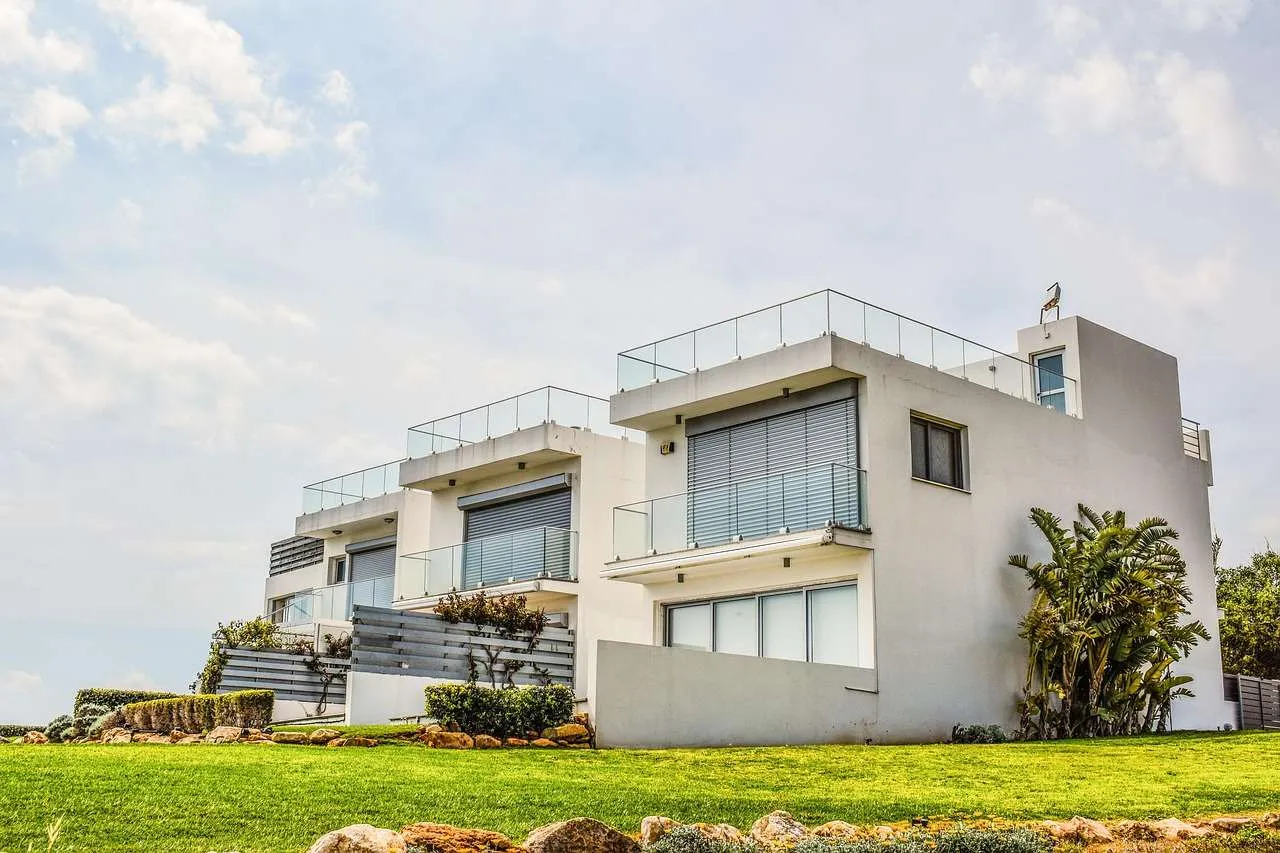
EPDM roofing is a durable, flexible rubber membrane used primarily on flat and low-slope roofs. Made from ethylene propylene diene monomer, it provides strong resistance to weather, UV, and water intrusion, while offering cost-effective longevity for a wide range of buildings.
What is EPDM Roofing?
EPDM stands for ethylene propylene diene monomer, a synthetic rubber membrane widely used on commercial and residential flat roofs. Its seamless or minimally seamed surface minimizes flashing mistakes and helps protect against leaks. Commonly available in black or white variants, EPDM performs well in a variety of climates and can be installed over existing decks with proper detailing. Thickness options typically range from 45 to 90 mils, with reinforced membranes offering extra strength for larger roofs. Installers choose full adhesion, mechanical fastening, or ballast methods based on roof structure and climate.
Types of EPDM Membranes
- Black EPDM: The traditional option, highly durable and cost-effective but absorbs heat in sunny climates.
- White or reflective EPDM: Designed to reflect sunlight, helping reduce cooling loads on buildings in warm climates.
- Reinforced vs unreinforced: Reinforced membranes incorporate fabric for added strength on large spans; unreinforced EPDM remains highly flexible for detail work.
Benefits of EPDM Roofing
- Longevity: Typical service life of 25–30 years with proper maintenance and proper flashing details.
- Weather resistance: Excellent waterproofing, good elasticity in cold weather and resistance to ozone and weathering.
- Repair and maintenance: Seams are robust and patches or flashings can restore damaged areas with minimal disruption.
- Cost-effectiveness: Competitive installed costs compared with other flat roofing systems, with lower weight and fewer structural changes.
- Energy options: White EPDM variants offer solar reflectivity to reduce heat gain; black membranes can be combined with insulation for year-round performance.
Applications and Installation
EPDM is a preferred choice for flat and low-slope roofs on warehouses, schools, office buildings, and modern homes. Installations use full adhesion, mechanical fastening, or ballast, depending on the roof deck, wind zone, and climate. Seams are sealed with compatible tape or liquid adhesives, and edge details with counter-flashing and termination bars prevent water intrusion. Substrate prep is critical — clean, dry decks of appropriate temperature ensure adhesive cure and bond strength. For large surfaces, reinforced membranes reduce the risk of punctures, while detailed flashing around penetrations maintains waterproof integrity. Professional installation ensures correct thickness, seam integrity, and long-term performance.
Maintenance and Longevity
Routine inspections should focus on UV checking, seam integrity, punctures, and ponding water. Remove debris that blocks drains, and address any ponding or cracks promptly to prevent leaks. Cleaning is gentle, using mild detergents and water; avoid harsh solvents that can degrade the membrane. White EPDM stays cooler and shows dirt more readily, so periodic cleaning helps maintain reflectivity and energy-saving benefits. If damage occurs, patches or replacement of damaged sheets by a qualified roofer can restore waterproofing without replacing the entire roof.
Comparison with Other Flat Roof Membranes
Below is a quick guide to EPDM and common flat roofing membranes. The table summarizes life expectancy, cost, and performance features to help you choose the right solution for your project.
| Material | Typical Life | Approx. Cost (per sq ft) | Flexibility | UV Resistance | Fire Resistance | Best For |
|---|---|---|---|---|---|---|
| EPDM | 25–30 years | 0.80–1.60 | Excellent in cold temps | Good; white variants reflect UV | Good with proper backing | Flat roofs, low-slope structures |
| TPO | 15–20 years | 0.80–1.50 | Excellent in warm climates | Excellent | Good | Energy-efficient, white roofs |
| PVC | 20–30 years | 1.50–4.00 | Excellent | Excellent | Very good | High-traffic commercial roofs |
| BUR (Built-Up) | 20–50 years | 2.00–5.00 | Moderate | Moderate | Good | Traditional long-term option |
Summary, EPDM roofing offers a balanced mix of durability, ease of maintenance, and cost efficiency for flat and low-slope roofs. When installed by qualified professionals and maintained regularly, EPDM membranes deliver dependable waterproofing performance across climates and building types.